Winter Joint Pain in Odisha: Why Cold Weather Makes Arthritis Worse

Odisha’s winter is short and mild compared to North India, but for people with arthritis, even a modest drop in temperature from December through February is enough to bring back stiffness, aches, and swelling that summer months kept quiet. If your joints feel worse the moment the weather turns cool, you are not imagining it — there is a real physiological reason cold weather and joint pain go together, and a few practical steps that make a genuine difference.
Why Cold Weather Worsens Joint Pain
Several things happen in the body as temperatures drop, and they compound each other:
- Barometric pressure changes. Falling air pressure, common with winter weather shifts, is thought to cause tissues around joints to expand slightly, putting more pressure on nerve endings in and around already-inflamed joints.
- Thicker synovial fluid. The fluid that lubricates joints becomes more viscous in cold temperatures, similar to how oil thickens in the cold — joints feel stiffer and take longer to “loosen up” as a result.
- Reduced blood flow to the extremities. The body prioritizes core temperature in cold weather, reducing circulation to hands and feet — exactly where arthritis pain is often worst.
- Less physical activity. Cooler mornings and shorter days often mean less walking and movement, and joints that move less tend to stiffen up more.
This affects people with osteoarthritis, rheumatoid arthritis, and other inflammatory joint conditions somewhat differently, but the general pattern — more stiffness, especially first thing in the morning, and aching that seems to track the weather — is consistent enough that many patients could tell you the temperature just from how their knees feel.
Practical Steps That Actually Help
Keep joints warm, not just yourself. A light jacket keeps your core warm but does little for knees and hands. Knee sleeves, warm socks, and gloves during the coolest parts of the day (early morning, late evening) make a noticeable difference for many patients.
Don’t skip movement — adjust it. A 10-15 minute gentle walk or stretching routine indoors, done consistently, keeps joints from stiffening the way a sedentary winter routine does. Morning stiffness is worst in the first hour after waking; a warm shower followed by slow stretching before starting the day helps more than most people expect.
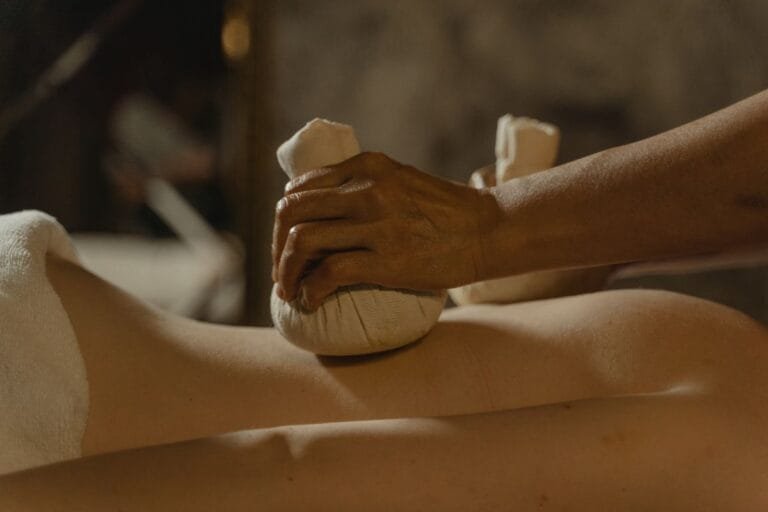
Warm compresses and baths. A warm (not hot) compress on stiff joints for 15-20 minutes, or a warm bath in the evening, relaxes muscles around the joint and can meaningfully reduce stiffness the next morning.
Stay hydrated. People drink less water in cooler weather since they feel less thirsty, but dehydration thickens joint fluid further and can worsen stiffness — this is a small, easily overlooked factor.
Don’t stop your medication routine. Some patients reduce or stop anti-inflammatory medication when symptoms improve in warmer months, then find themselves under-treated when winter symptoms flare. If your condition is being actively managed, winter is not the season to experiment with your medication schedule without talking to your doctor first.
When Winter Joint Pain Is More Than Just Weather
Some seasonal stiffness that eases with warmth and movement is normal for many people with osteoarthritis and does not necessarily mean the underlying condition is worsening. But it is worth getting checked, rather than assuming it is “just the season,” if you notice:
- Joint swelling, redness, or warmth (not just stiffness or ache)
- Morning stiffness lasting longer than an hour
- Pain that does not improve at all with movement, warmth, or rest
- New joints becoming involved that were not a problem before
- Fatigue or low-grade fever alongside the joint symptoms
These patterns point toward inflammatory or autoimmune arthritis rather than ordinary weather-related stiffness, and are worth a proper evaluation — winter symptoms are a genuine trigger, but they can also mask or be mistaken for a condition that needs actual treatment, not just warm socks.
Getting Ahead of the Season
If winter reliably makes your joints worse year after year, that is useful information for your doctor, not something to just push through quietly. At OARC in Bhubaneswar, we see this seasonal pattern often enough in Odisha patients that adjusting a treatment plan ahead of the cooler months — rather than reacting once symptoms flare — is a standard part of care for many of our arthritis patients. If your joints are already aching as the weather turns, or you want a plan in place before it does, you can book a consultation with our team.