Ayurveda vs Modern Rheumatology Treatment: What Really Works for Arthritis in India
In Odisha, as across most of India, arthritis patients are often caught between two worlds: the family elder recommending an Ayurvedic panchakarma course, and a doctor recommending methotrexate or a biologic. Patients frequently ask us directly — should I try Ayurveda first, or start modern treatment right away? Can they be combined? The honest, evidence-based answer is more nuanced than “pick one,” and it depends heavily on which type of arthritis you actually have.
Why This Question Matters More Than It Seems
The stakes of this decision are different depending on the diagnosis. For mechanical, wear-and-tear joint pain, trying a gentler approach first while monitoring symptoms carries relatively low risk. For autoimmune arthritis — rheumatoid arthritis, lupus, psoriatic arthritis — every month spent on an unproven remedy instead of disease-modifying treatment is a month the immune system continues to damage joints, often irreversibly. This is the single most important reason to get a proper diagnosis before deciding on a treatment path, rather than choosing a path first and hoping it fits the disease.
What Ayurvedic Approaches Can Offer
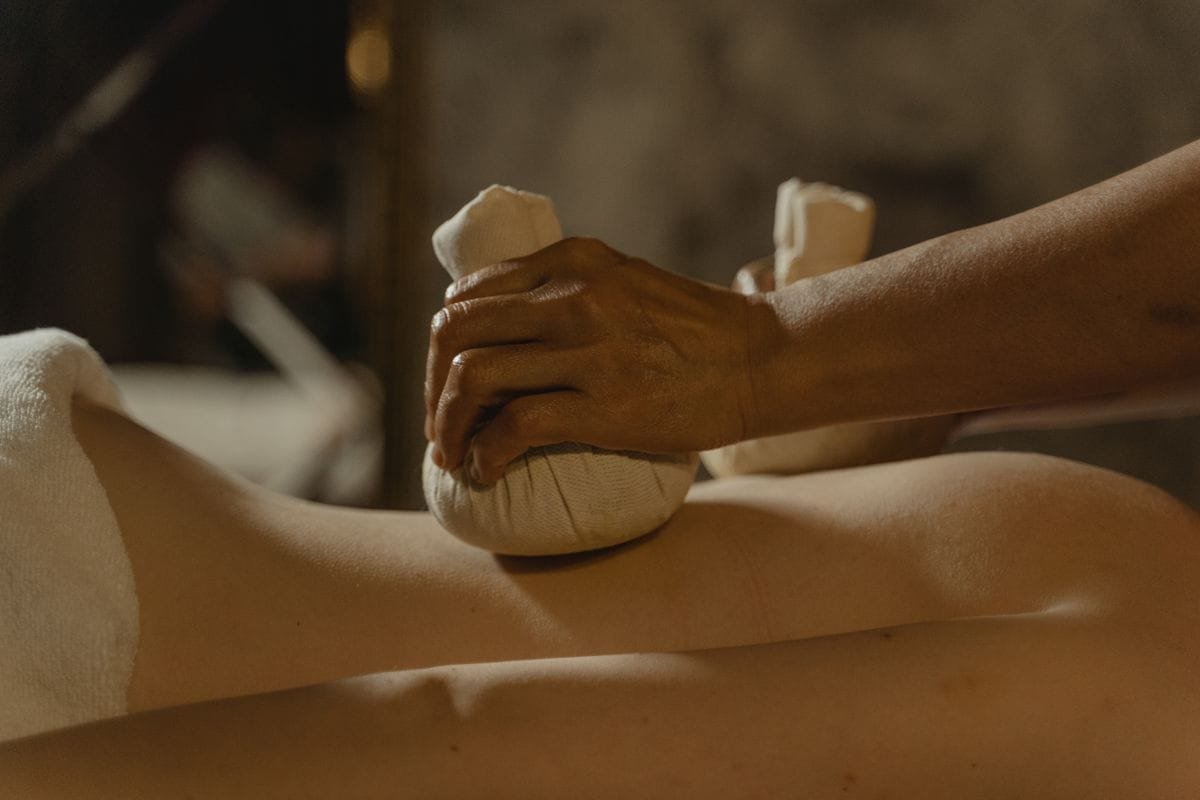
Ayurvedic management of joint pain (commonly under the umbrella of “Sandhivata” for osteoarthritis-type pain) typically includes herbal formulations, dietary changes, and external therapies like abhyanga (oil massage) and panchakarma. Some individual components have reasonable scientific support for symptom relief — for example, certain herbal compounds have shown anti-inflammatory activity in studies, and the lifestyle and dietary components (weight management, anti-inflammatory foods, regular gentle movement) overlap substantially with what modern rheumatology also recommends.
Where Ayurvedic treatment alone falls short is in autoimmune disease. There is no current evidence that any Ayurvedic formulation can reliably switch off the immune-driven joint destruction seen in rheumatoid arthritis or lupus the way modern DMARDs and biologics can. Patients who rely solely on herbal treatment for RA often present to us later with joint deformity that could have been prevented.
What Modern Rheumatology Offers
Modern rheumatology is built on treating the underlying disease process, not just the pain. For autoimmune arthritis, this means DMARDs (like methotrexate, hydroxychloroquine, sulfasalazine) and, when needed, biologic therapies that target specific inflammatory pathways. These treatments are supported by large clinical trials and decades of outcome data — and critically, they can halt or dramatically slow joint damage that would otherwise be permanent.
For osteoarthritis and other mechanical joint pain, modern treatment overlaps more with supportive care: physiotherapy, weight management, targeted injections, and surgery when the joint is severely damaged — areas where the gap with lifestyle-based Ayurvedic approaches is much smaller.
Can They Be Used Together?
For many patients, a combined approach is reasonable and safe — provided it is disclosed to your treating doctor. Dietary changes, gentle yoga, and stress reduction fit naturally alongside modern treatment for almost any type of arthritis. The concern is not the lifestyle and dietary components; it is patients quietly substituting herbal remedies for disease-modifying medication in autoimmune arthritis, or combining herbal supplements with prescribed drugs without telling their doctor — some herbal compounds can interact with liver-metabolised drugs like methotrexate, so transparency matters for safety, not just effectiveness.
Our Recommendation
Get an accurate diagnosis first, from a rheumatologist, before choosing a treatment path. If the diagnosis is mechanical joint pain, a combined lifestyle-and-Ayurvedic-supported approach alongside conventional pain management is often reasonable. If the diagnosis is autoimmune arthritis, evidence-based DMARD or biologic therapy should be the foundation of treatment — supportive lifestyle measures can absolutely be layered on top, but should not replace it. Tell your rheumatologist about anything else you are taking, herbal or otherwise, so your full treatment plan is actually safe together.
If you are unsure which category your joint pain falls into, that uncertainty is exactly what a specialist evaluation is for. Book a consultation with OARC to get a clear diagnosis and a treatment plan that fits your actual condition, not just your symptoms.