Sjögren’s Syndrome: Symptoms, Diagnosis and Treatment in Odisha

Persistent dry eyes and dry mouth are easy to write off as dehydration, air conditioning, or “just getting older.” But when both symptoms show up together and persist for months, they can be the first sign of Sjögren’s syndrome — an autoimmune condition that is under-recognised in India, often diagnosed years after symptoms first appear, simply because the connection between dryness and the immune system isn’t widely known.
What Sjögren’s Syndrome Actually Is
Sjögren’s syndrome is an autoimmune disease in which the immune system attacks the body’s moisture-producing glands — primarily the salivary and tear glands, though it can affect other glands too. It can occur on its own (primary Sjögren’s) or alongside another autoimmune condition such as rheumatoid arthritis or lupus (secondary Sjögren’s). It affects women far more often than men, and while it can develop at any age, it is most commonly diagnosed in the 40s and 50s.
Recognising the Symptoms
The hallmark symptoms are dryness of the eyes and mouth, but the condition can show up in several ways:
Dry eyes — a gritty, burning, or “sand in the eyes” sensation, light sensitivity, and eyes that feel tired or irritated by evening.
Dry mouth — difficulty swallowing dry foods without water, a change in taste, needing to sip water frequently through the day and night, and an increase in dental cavities or mouth infections (saliva normally helps protect teeth, so persistent dryness raises dental risk noticeably).
Joint pain and fatigue — many patients also experience joint pain and swelling similar to mild rheumatoid arthritis, along with persistent tiredness that doesn’t improve with rest.
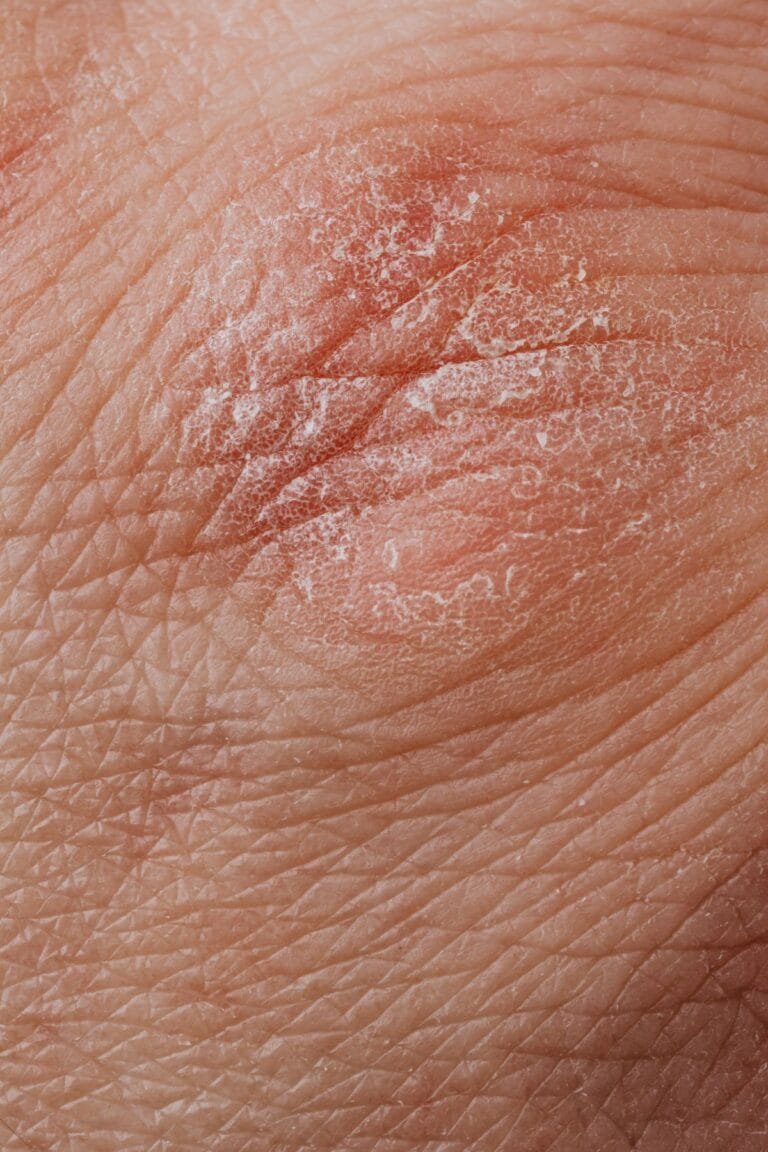
Other gland involvement — dry skin, vaginal dryness, and in some patients, swelling of the salivary glands around the jaw and cheeks.
Why It Often Takes Years to Diagnose
Because the symptoms are common, non-specific, and often mild at first, patients typically see an eye doctor for dry eyes and a dentist for dry mouth, without either specialist connecting the two symptoms to a single underlying cause. It is often only when joint pain or fatigue is added into the picture — or when a doctor specifically asks about both eye and mouth dryness together — that Sjögren’s is considered and the patient is referred to a rheumatologist.
How OARC Diagnoses Sjögren’s Syndrome
Diagnosis combines your symptom history with specific tests: blood tests for autoantibodies associated with Sjögren’s (anti-Ro/SSA and anti-La/SSB antibodies), along with general inflammatory markers. An objective eye test (Schirmer’s test, measuring tear production) and sometimes a minor salivary gland biopsy from the inner lip can confirm reduced gland function and the characteristic immune-cell infiltration. At OARC, this workup is coordinated in-house so patients aren’t sent between multiple specialists without a clear diagnostic plan.
Treatment Approach
Treatment addresses both symptom relief and, where needed, the underlying immune activity:
Symptom management — artificial tears and lubricating eye drops, saliva substitutes or medications that stimulate saliva production, staying well hydrated, and good dental hygiene with more frequent dental checkups given the higher cavity risk.
Systemic treatment — for patients with significant joint pain, fatigue, or gland swelling, hydroxychloroquine is commonly used and can meaningfully reduce these symptoms. In more severe or complicated cases involving internal organ effects, additional immune-modulating treatment may be needed, tailored to the individual.
Ongoing monitoring — Sjögren’s carries a modestly increased long-term risk of lymphoma, which is one of the reasons regular rheumatology follow-up matters even once symptoms are well controlled, not just at diagnosis.
When to See a Rheumatologist
If you’ve had persistent dry eyes and dry mouth for more than a few months — especially alongside joint pain, unexplained fatigue, or an increase in dental problems — it’s worth a specialist evaluation rather than continuing to treat the eyes and mouth as separate, unrelated issues. You can read more on our Sjögren’s syndrome condition page, or book a consultation with OARC for a full evaluation.