Painkillers for Joint Pain: Why Long-Term Use Is Risky and What to Do Instead
Short answer: Occasional painkillers are fine, but taking them daily for weeks is risky. Anti-inflammatory painkillers (NSAIDs such as diclofenac, ibuprofen and naproxen) can cause stomach ulcers and bleeding, strain the kidneys and raise blood pressure. They also hide the pain without treating the cause. If you need painkillers every day for more than a few weeks, see a rheumatologist.
Why people rely on painkillers
Joint pain is common, painkillers are available without a prescription, and they work quickly. The problem is that pain is a symptom. If inflammatory arthritis is behind it, the painkiller can mask it while the joints are being damaged.
Risks of long-term NSAID use
- Stomach: gastritis, ulcers and internal bleeding.
- Kidneys: reduced kidney function, especially in people who are dehydrated, older, diabetic or already have kidney disease.
- Heart and blood pressure: raised blood pressure and, with some NSAIDs, a higher risk of heart problems.
- Other medicines: interactions with blood thinners, blood pressure tablets and methotrexate.
Go to the emergency department if you have black or bloody stools, vomit that looks like coffee grounds, or severe stomach pain after taking painkillers.
Paracetamol: safer, but not unlimited
Paracetamol is gentler on the stomach, but too much damages the liver. Do not exceed the daily limit advised by your doctor, usually a maximum of 4 g in 24 hours for healthy adults, and lower if you are older, underweight or drink alcohol. Check other medicines for hidden paracetamol.
The hidden steroid problem
Some “joint pain” tablets, powders and herbal remedies sold in India contain steroids or strong painkillers that are not listed on the label. Long-term use can cause weight gain, a rounded face, diabetes, high blood pressure, weak bones, and dangerous withdrawal if stopped suddenly. If you have taken a remedy for months and notice these changes, or feel worse when you stop, tell your doctor. Do not stop abruptly without advice. Read Ayurveda vs. modern rheumatology treatment.
Safer ways to manage joint pain
- Find the cause first. Arthritis from inflammation, gout and wear and tear need different treatment. See when to see a rheumatologist.
- Topical gels (diclofenac or similar) can help a single painful joint with much less drug entering the body.
- Exercise and physiotherapy strengthen the muscles around joints. See exercise for arthritis patients.
- Weight loss reduces the load on knees and hips.
- Heat or cold packs can ease pain and stiffness.
- Disease-modifying medicines (such as methotrexate) when the cause is inflammatory arthritis.
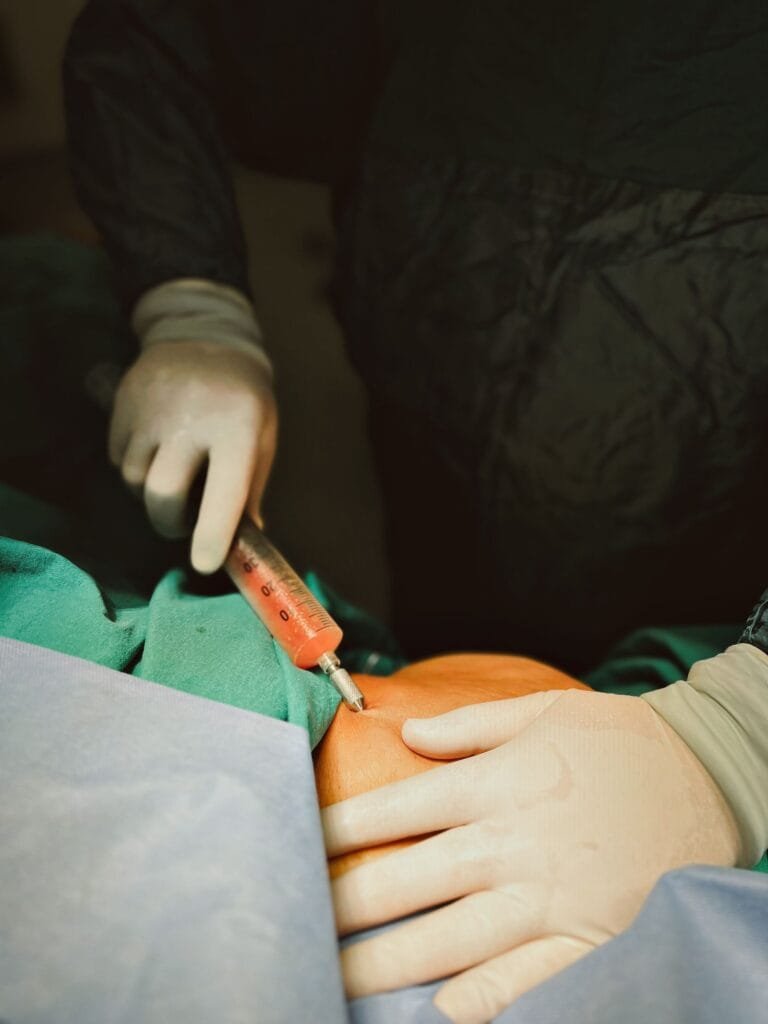
- Pain management and injections for selected problems. See pain management in Bhubaneswar.
If you must take an NSAID
- Use the lowest dose for the shortest time, with food.
- Do not combine two NSAIDs.
- Drink enough water.
- Ask about a stomach-protecting medicine if you are older or need it regularly.
- Avoid it if you have kidney disease, a history of ulcers or are pregnant unless your doctor says it is safe.
Frequently asked questions
How long is it safe to take a painkiller for joint pain?
A few days is usually fine. If you need it daily for more than two to three weeks, see a doctor to find the cause and agree a safer plan.
Are painkiller injections or ointments safer?
Ointments and gels generally expose you to less drug than tablets. Injections should be given only when a doctor has decided they are needed.
Can painkillers hide arthritis?
Yes. They reduce pain without stopping inflammation, so joints can be damaged while you feel better.
I have been taking painkillers for months. What should I do?
Do not stop suddenly if the tablets contain a steroid. Book a consultation, bring the packets and your reports, and your doctor will make a safe plan.
Book an appointment
You can book online at OARC Saheed Nagar or OARC Sailashree Vihar in Bhubaneswar, or call or WhatsApp +91 93386 53086. OARC Saheed Nagar is open Monday to Saturday, 9:00 AM–2:00 PM and 4:30–9:00 PM. OARC Sailashree Vihar is open Monday to Saturday, 8:00–9:00 AM and 5:00–6:00 PM. Both are closed on Sunday. Tests ordered at your visit can be done at our in-house laboratory, Immunix Labs, with sample collection at both centres and at home.
Sources
Medical review: Dr. Jyoti Ranjan Parida, DM (Rheumatology), review pending. This article is general information and not a diagnosis. See our editorial policy.