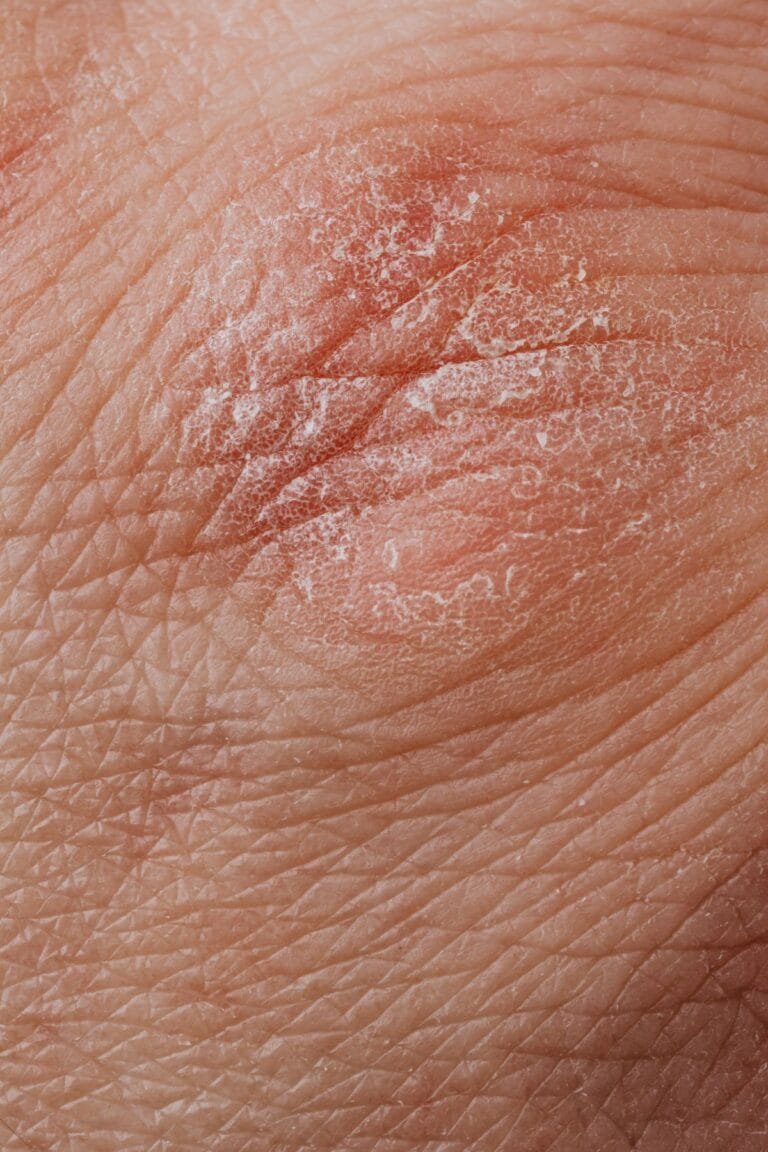
Rheumatoid Arthritis Symptoms: Early Warning Signs & When to See a Rheumatologist in Bhubaneswar
If you notice persistent joint pain, morning stiffness lasting more than 30 minutes, or swelling in small joints like your fingers and wrists, these could be early warning signs of Rheumatoid Arthritis (RA). Early diagnosis and treatment — ideally within the first 6 months — dramatically improve outcomes. At Odisha Arthritis & Rheumatology Centre (OARC) in Bhubaneswar, our specialists have helped over 1 lakh patients since 2017. Here is what to watch for and when to act.
What Are the Earliest Signs of Rheumatoid Arthritis?
RA often starts subtly. The earliest signs include:
- Morning stiffness: Joints feel stiff and difficult to move for 30 minutes or longer after waking up.
- Symmetric joint swelling: Swelling in the same joints on both sides of the body — especially finger knuckles (MCPs and PIPs) and wrists.
- Fatigue and low-grade fever: Unexplained tiredness and mild fever even without infection.
- Tenderness to touch: Joints feel warm, soft, or painful when pressed gently.
- Loss of grip strength: Difficulty squeezing objects, turning doorknobs, or opening jars.
Which Joints Does RA Affect First?
RA typically begins in the small joints of the hands and feet before progressing to larger joints. Common early targets include:
- Finger knuckles (metacarpophalangeal and proximal interphalangeal joints)
- Wrists
- Toes and balls of the feet
- Ankles and knees (in later stages)
Unlike Gout — which often strikes the big toe and is led by Dr. Jyoti Ranjan Parida at OARC — RA involves symmetric joint inflammation driven by the immune system attacking the joint lining (synovium).
How Is Early RA Different from Ordinary Joint Pain?
- RA stiffness is worst in the morning and improves with movement; mechanical joint pain worsens with activity.
- RA affects multiple joints symmetrically; overuse injury is usually one-sided.
- RA is associated with fatigue — a systemic immune response, not just local joint damage.
- Elevated inflammatory markers (CRP, ESR, RF, anti-CCP antibodies) confirm RA; these are normal in mechanical pain.
When Should You See a Rheumatologist in Bhubaneswar?
Do not wait for severe joint damage. See a rheumatology specialist if you experience:
- Joint stiffness lasting more than 30 minutes every morning for 2+ weeks
- Swelling in 3 or more joints simultaneously
- Fatigue, low-grade fever, or unexplained weight loss alongside joint pain
- A family history of RA or other autoimmune conditions
- Symptoms that have not improved after 2 weeks of rest and over-the-counter pain relief
Why timing matters: Starting Disease-Modifying Anti-Rheumatic Drugs (DMARDs) within the first 3–6 months of symptom onset can prevent joint erosion and long-term disability. OARC’s rheumatologists — Dr. Jyoti Ranjan Parida (DM Rheumatology, 2014, the first DM in Rheumatology from Odisha) and Dr. Debashis Maikap — follow international treat-to-target protocols for the best outcomes.
What Happens at Your First Rheumatology Appointment at OARC?
- Detailed history of symptoms, duration, and family history
- Physical examination of all joints for swelling, tenderness, and range of motion
- Blood tests: RF, anti-CCP, CRP, ESR, CBC, and liver/kidney function
- Imaging if needed: X-rays or ultrasound of affected joints
- Personalised treatment plan — DMARDs, biologics, or lifestyle modifications
Ready to get started? Book an appointment at OARC today.
Can RA Be Cured, or Only Managed?
RA currently has no cure, but modern treatments can achieve sustained clinical remission — meaning no active inflammation and preserved joint function. Many OARC patients live full, active lives with the right medication and monitoring. Early treatment is the single most important factor for a good long-term outcome.
Frequently Asked Questions (FAQ)
Is morning stiffness always a sign of RA?
Not always. RA morning stiffness lasts 30 minutes or more and involves multiple joints. Osteoarthritis stiffness typically resolves within 15 minutes.
What blood test confirms RA?
Anti-CCP antibodies are the most specific marker for RA. RF (Rheumatoid Factor) is also useful but less specific. Both are available at OARC.
Does RA only affect the elderly?
No. RA most commonly starts between ages 30–60 but can affect any age. OARC sees patients of all ages from across Odisha.
Can I see a rheumatologist in Bhubaneswar without a referral?
Yes. You can book directly at OARC without a GP referral. Early self-referral for suspected RA is encouraged.
What makes OARC different from a general orthopaedic clinic?
OARC is Odisha’s dedicated arthritis and rheumatology centre. Our specialists have post-doctoral training in rheumatology and focus exclusively on autoimmune and inflammatory joint diseases like RA, Gout, Lupus, and Ankylosing Spondylitis.
OARC Editorial Team | Odisha Arthritis & Rheumatology Centre, Bhubaneswar. Founded 2017. Serving 1 lakh+ patients across Odisha.