Psoriatic Arthritis: Understanding the Skin-Joint Connection
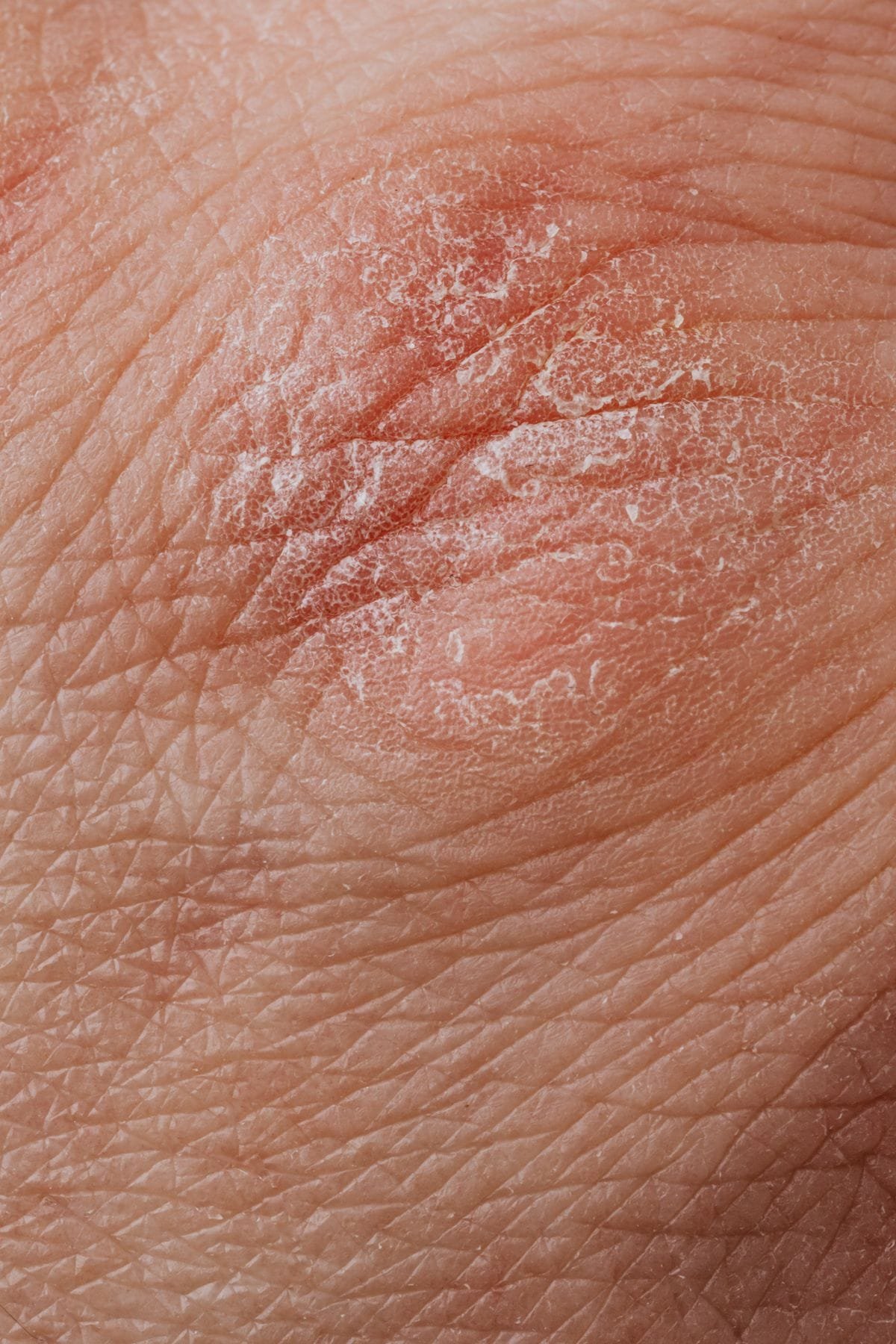
If you have psoriasis — the scaly, itchy skin patches that show up on elbows, knees, or the scalp — and you start noticing joint pain, swelling, or stiffness, it is not a coincidence. Up to 30% of people with psoriasis go on to develop psoriatic arthritis (PsA), a condition where the immune system attacks both the skin and the joints. The tricky part is that the joint symptoms can be mild at first, easy to dismiss as “just getting older” or “overdoing it at the gym” — and by the time they are taken seriously, joint damage may already have started.
Why Skin and Joints Are Connected
Psoriasis and psoriatic arthritis are both autoimmune conditions, meaning the immune system mistakenly attacks healthy tissue. In psoriasis, that attack targets skin cells, causing them to multiply too fast and build up into the thick, silvery-scaled patches known as plaques. In psoriatic arthritis, the same underlying immune misfire also targets the joints and the tendons that attach muscle to bone (a feature called enthesitis that is fairly specific to PsA and helps distinguish it from rheumatoid arthritis).
Most people develop the skin symptoms first, often years before any joint involvement — but in about 1 in 6 people, joint pain shows up before the skin does, or the skin involvement is so minor (a small patch behind the ear, a few pitted fingernails) that nobody connects the dots. This is one of the most commonly missed diagnoses in rheumatology, particularly when a patient sees a dermatologist for the skin and a separate doctor for the joints, with neither getting the full picture.
Recognizing the Joint Symptoms
Psoriatic arthritis does not look the same in every patient, which is part of what makes it hard to self-diagnose. Common patterns include:
- Swollen “sausage” fingers or toes (dactylitis) — an entire finger or toe swells uniformly, not just one joint.
- Nail changes — pitting (small dents), thickening, or the nail separating from the nail bed, often mistaken for a fungal infection.
- Morning stiffness lasting more than 30 minutes, easing as the day goes on.
- Lower back and heel pain — PsA frequently involves the spine and the Achilles tendon or sole of the foot, not just the hands and knees.
- Asymmetric joint involvement — unlike rheumatoid arthritis, PsA often affects joints on only one side of the body, or different joints on each side.
If you have psoriasis and notice any of these, it is worth raising with a rheumatologist even if a dermatologist has been managing your skin for years — skin and joint care for PsA genuinely need to be coordinated, because some treatments that help the skin do little for the joints, and vice versa.
How Psoriatic Arthritis Is Diagnosed
There is no single blood test that confirms psoriatic arthritis — diagnosis is clinical, built from a combination of factors: a personal or family history of psoriasis, the specific pattern of joint and tendon involvement, nail changes, and imaging (X-ray or ultrasound) showing characteristic changes at the joint margins. Blood tests are still useful, mainly to rule out rheumatoid arthritis (checking rheumatoid factor and anti-CCP antibodies, which are usually negative in PsA) and to check inflammation markers like ESR and CRP.
Because there is no definitive single test, a doctor who sees psoriatic arthritis regularly — rather than occasionally — makes a real difference in getting the diagnosis right the first time, instead of a cycle of painkillers and physiotherapy that treat the symptom without addressing the underlying autoimmune process.
Treatment: Why Early Diagnosis Matters
Unlike simple joint pain from overuse, untreated psoriatic arthritis can cause permanent joint damage and deformity, because the inflammation is actively eroding bone and cartilage over time, often without dramatic pain in the early stages. The good news is that PsA responds well to modern treatment when started early:
- NSAIDs for mild joint and tendon pain.
- DMARDs (disease-modifying drugs like methotrexate or sulfasalazine) to slow the underlying disease process, not just mask pain.
- Biologics (TNF inhibitors, IL-17 and IL-23 inhibitors) for moderate-to-severe disease — these can significantly improve both skin and joint symptoms together, and have changed the outlook for PsA substantially over the last decade.
- Physiotherapy to protect joint function and maintain range of motion alongside medical treatment, not instead of it.
The treatment plan depends on which joints are involved, how much skin involvement there is, and how the disease is progressing — which is exactly why a generic painkiller-and-rest approach so often falls short for PsA specifically.
When to See a Rheumatologist
If you have psoriasis and any joint swelling, stiffness, or unexplained nail changes, that combination on its own is reason enough to get a rheumatology opinion — you do not need to wait for symptoms to become severe. At OARC, Dr. Jyoti Ranjan Parida and the team evaluate the skin-joint connection together, coordinate with dermatology when needed, and start treatment early enough to protect joint function before permanent damage sets in. You can read more about the condition on our psoriatic arthritis page, or book a consultation if you are noticing these symptoms yourself.