Rheumatoid Arthritis Diet in India: What to Eat, What to Avoid, and How to Reduce Flares Naturally
By Dr. Ashit Syungle | Rheumatologist at Odisha Arthritis & Rheumatology Center
Rheumatoid arthritis (RA) is an autoimmune disease where your immune system mistakenly attacks the joints, causing pain, swelling, stiffness, and long-term joint damage. While medication remains the cornerstone of RA treatment, emerging research shows that what you eat can significantly influence disease activity, joint pain severity, and overall quality of life.
In India, where our traditional diet offers both powerful anti-inflammatory foods and some inflammatory triggers, choosing the right foods for rheumatoid arthritis can make a real difference in managing your condition.
Understanding Rheumatoid Arthritis and Diet
Rheumatoid arthritis affects approximately 0.5–1% of the world population. In India, the prevalence is estimated at 0.3–0.4%, though it is likely underdiagnosed in rural areas. Unlike osteoarthritis (which results from wear-and-tear), RA is a systemic autoimmune condition that can affect multiple organs, including the lungs, heart, eyes, and blood vessels.
The inflammation in RA is driven by cytokines such as TNF-alpha, IL-6, and IL-1β. Diet plays a powerful role in modulating these inflammatory pathways. Foods rich in omega-3 fatty acids, antioxidants, and polyphenols can downregulate inflammatory cascade, while refined carbohydrates, excessive saturated fats, and processed foods can amplify it.
Anti-Inflammatory Foods for Rheumatoid Arthritis
1. Omega-3 Rich Foods
Omega-3 fatty acids have well-documented anti-inflammatory effects. They compete with arachidonic acid, reducing the production of pro-inflammatory prostaglandins and leukotrienes.
Best sources in India:
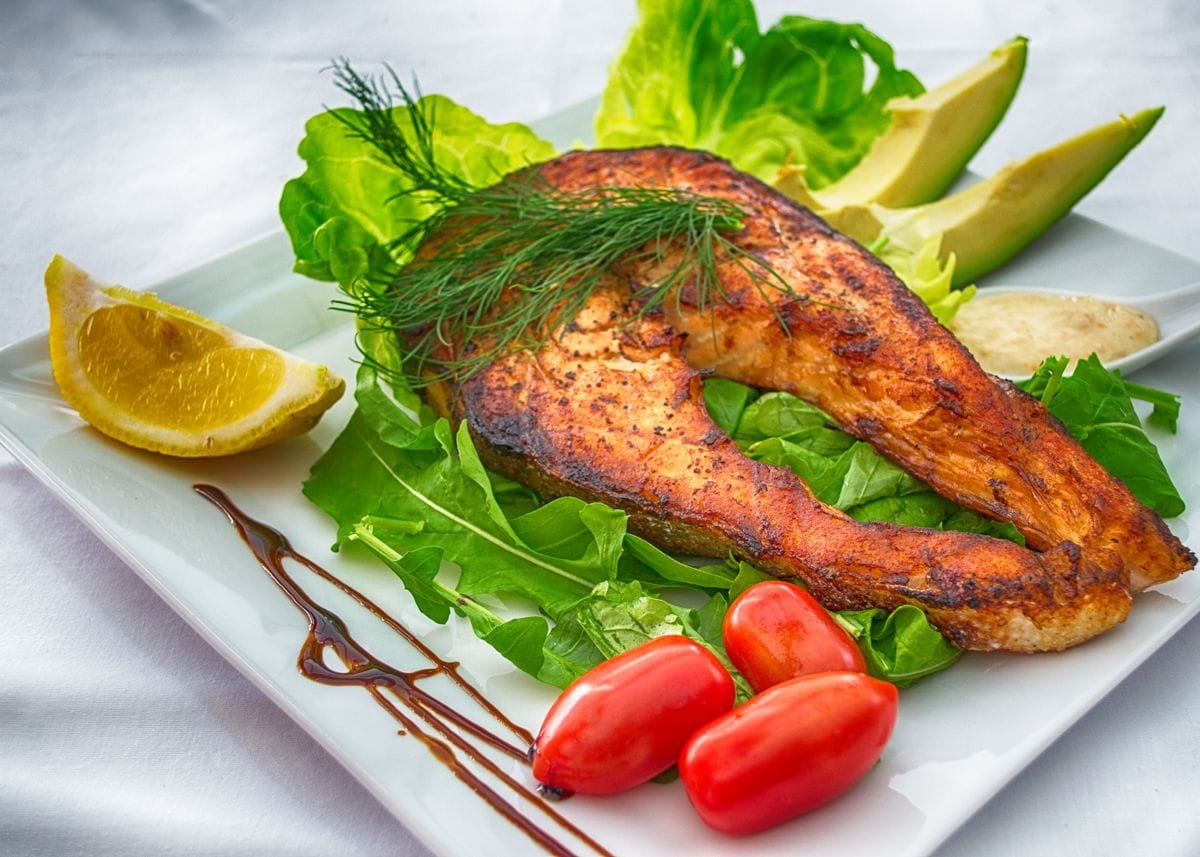
– Fish: Rohu, Katla, Pomfret, and Sardinella are excellent sources of EPA and DHA. Aim for 2–3 servings per week.
– Mustard oil: Contains alpha-linolenic acid (ALA), a plant-based omega-3. Use cold-pressed, raw mustard oil for dressings.
– Walnuts: Just 30g daily provides substantial ALA content.
– Flaxseeds (alsi): 1–2 tablespoons of freshly ground flaxseed daily is a practical, affordable option.
Medical note: Omega-3 supplements at 2–3 grams/day of combined EPA/DHA have shown significant reduction in joint tenderness and morning stiffness in RA patients, comparable to low-dose NSAIDs in some studies.
2. Colourful Vegetables and Fruits
Fruits and vegetables rich in antioxidants, carotenoids, and vitamin C combat oxidative stress, which is elevated in RA.
Foods to prioritise:
– Turmeric (haldi): Curcumin in turmeric inhibits NF-κB and COX-2 pathways, with efficacy rivaling some NSAIDs. Use 1–2 tsp daily with black pepper for optimal curcumin absorption.
– Ginger (adrak): Contains gingerols that inhibit inflammatory prostaglandin synthesis. Add fresh ginger to tea, stir-fries, or smoothies daily.
– Leafy greens: Spinach (palak), mustard greens (sarson), and fenugreek leaves (methi) are rich in vitamins A, C, K, and folate.
– Berries: Amla (Indian gooseberry), jamun, and wild berries pack powerful antioxidant activity. Amla alone provides up to 600mg of vitamin C per 100g.
– Tomatoes: Rich in lycopene. Cook tomatoes to increase lycopene bioavailability by up to 300%.
3. Whole Grains Over Refined Grains
Whole grains retain the bran and germ, providing fibre, B vitamins, and phytochemicals that reduce circulating CRP levels (a marker of systemic inflammation).
Good Indian choices:
– Brown rice and red rice (mansi rice) from Odisha
– Whole wheat (atta) in roti form
– Oats, millets (bajra, jeera, kodo, kangri), and barley (jav)
– Quinoa (imported but widely available in urban markets)
Avoid: White bread, maida-based products (naan, paratha, bhatura), and refined rice. These raise blood glucose rapidly, increasing inflammatory markers like cytokine production.
4. Plant-Based Protein Sources
Plant proteins reduce the purine load and saturated fat compared to red meat while providing essential amino acids for joint repair.
Recommended:
– Lentils (dal): moong dal, masoor dal, and chana dal are easy to digest and rich in fibre.
– Chickpeas (chana): Provide fibre, folate, and magnesium.
– Tofu and tempeh: Soy protein has shown modest benefits in reducing joint symptoms.
– Paneer (in moderation): Choose low-fat options for calcium without excess saturated fat.
Foods to Limit or Avoid with Rheumatoid Arthritis
1. Red and Processed Meats
Red meat contains arachidonic acid and advanced glycation end products (AGEs) that promote inflammation. Processed meats such as sausages, bacon, and salami are particularly harmful due to preservatives like sodium nitrite.
Indian context: Limit mutton to once a month if you experience frequent flares. Avoid packaged meats and cured fish products entirely.
2. Excessive Salt
High sodium intake increases autoimmune response in animal models of RA. The WHO recommends less than 5g of salt per day; RA patients should aim for even less.
Indian context: Pickles (achar), papad, namkeen, and restaurant food are major hidden salt sources. Check labels — many Indian packaged foods contain 40–60% of daily salt in a single serving.
3. Sugar and Refined Carbohydrates
High glycemic foods trigger insulin spikes, which increase pro-inflammatory cytokine production, including IL-6 and TNF-alpha.
Limit: Sodas, packaged juices, sweets (mithai), pastries, and excessive maida-based products.
4. Alcohol
Alcohol can interact with methotrexate (commonly prescribed for RA) and worsen liver function. If you drink, keep it to a maximum of 1–2 drinks per week and consult your rheumatologist.
5. Nightshade Vegetables (Individual Consideration)
While some RA patients report improvement when avoiding tomatoes, potatoes, eggplant, and peppers, systematic reviews show mixed results. This is highly individual. Consider a 4-week elimination trial: remove all nightshades, then reintroduce one at a time and monitor joint symptoms.
Sample Anti-Inflammatory Indian Daily Diet Plan for RA Patients
Early Morning (6:30 AM)
- 1 glass warm water with half a lemon and ½ tsp honey
- 1 tsp soaked fenugreek seeds
Breakfast (8:00 AM)
- 2 multigrain rotis with low-fat paneer bhurji
- OR oatmeal porridge with flaxseeds, walnuts, and seasonal fruit
- Green tea
Mid-Morning (10:30 AM)
- Amla juice (100ml) or a seasonal fruit (guava, papaya, or pomegranate)
Lunch (1:00 PM)
- 1 cup brown rice or 2 whole wheat rotis
- 1 cup moong dal
- 1 cup mixed vegetable sabzi (with turmeric, ginger, garlic)
- 1 cup curd (low-fat, preferably homemade)
- Salad: cucumber, tomato, carrot with lemon dressing
Evening Snack (4:30 PM)
- Ginger-turmeric tea
- Handful of roasted chana or 1 small handful of mixed nuts
Dinner (7:30 PM)
- 2 rotis (multigrain)
- Vegetable khichdi with turmeric and ginger
- Small bowl of curd
- Side of steamed broccoli or beans
Before Bed (9:00 PM)
- Glass of warm milk with a pinch of turmeric
Specific Dietary Patterns with Evidence in RA
Mediterranean Diet
Multiple randomized controlled trials show that a Mediterranean dietary pattern (rich in olive oil, fish, vegetables, whole grains, and legumes) reduces RA disease activity scores (DAS28) by 20–30% and improves physical function. Adapted for an Indian context with mustard oil instead of olive oil, local vegetables, and Indian spices.
Anti-Inflammatory Diet from Harvard
This pattern emphasizes vegetables, fruits, whole grains, fish, and healthy fats while limiting red meat, salt, and sugar. Meta-analyses show a 15–25% reduction in inflammatory markers (CRP, IL-6) compared to standard Indian diets.
Plant-Based and Vegetarian Diets
Several studies report benefit from plant-based diets in RA. A Mediterranean-style vegetarian diet showed improved disease remission rates. For vegetarian Indian RA patients, focus on diverse legumes, nuts, seeds, and dairy for adequate protein and calcium.
Nutrition Supplements That May Help
Vitamin D
Vitamin D deficiency is common in Indian RA patients (up to 80% in some studies of eastern India) and correlates with higher disease activity. Get your levels checked; the target is 30–50 ng/mL. Most Indians need 1000–2000 IU daily, often increasing to 4000 IU during the monsoon and winter months when sun exposure drops.
Omega-3 Supplements
For patients unable to consume fish, fish oil or algae-based omega-3 supplements (1000–2000mg EPA+DHA daily) provide measurable anti-inflammatory benefit.
Probiotics
Emerging evidence links gut microbiome health to autoimmune disease. Probiotic-rich foods (curd, lassi, kanji) and supplements (10–20 billion CFU/day) may modestly reduce inflammation.
Glucosamine and Chondroitin
While these show limited benefit specifically for RA (more useful in osteoarthritis), some patients report symptom relief. Discuss with your rheumatologist before starting.
How Long Does It Take for Diet to Affect RA?
Clinical studies show that dietary changes begin affecting inflammatory markers within 4–8 weeks. Significant improvement in joint pain and morning stiffness typically takes 3–6 months of consistent adherence. The key is consistency, not perfection. Track your symptoms (pain scores, stiffness duration, flare frequency) for at least 3 months before judging whether a dietary approach is working for you.
Frequently Asked Questions
Can diet cure rheumatoid arthritis?
No. Diet cannot cure RA or replace disease-modifying antirheumatic drugs (DMARDs). However, a well-designed diet can significantly reduce disease activity, improve medication effectiveness, and lower the required dosage of anti-inflammatory drugs.
Do I need to follow a strict diet?
Aim for an overall anti-inflammatory eating pattern rather than complete food exclusion. The most sustainable approach is the 80/20 rule: 80% inflammatory foods, 20% flexibility for social events and celebrations.
Is vegetarian diet good for RA in India?
Yes. A well-planned vegetarian Indian diet can be highly anti-inflammatory. Focus on legumes, nuts, seeds, dairy, and a wide variety of vegetables. Supplementation of vitamin B12, vitamin D, and possibly omega-3 from algae sources is recommended.
Can I eat rice if I have RA?
Yes, but choose brown rice, red rice, or mixed rice over white rice. Portion control is important — ½ to ¾ cup cooked rice per meal is reasonable.
Are gluten and RA related?
Some RA patients with coeliac disease or gluten sensitivity benefit from a gluten-free diet. If you suspect this, get tested for coeliac disease before eliminating gluten. Do not self-diagnose and remove gluten without proper testing.
Which cooking oil is best for RA patients?
Cold-pressed mustard oil, rice bran oil, and sesame oil (til ka tel) are the best options for Indian cooking. Avoid repeated deep frying and reusing oil.
The Bottom Line
Food is medicine, and for rheumatoid arthritis patients in India, dietary choices carry enormous power to reduce inflammation, manage pain, and slow disease progression. Focus on whole, unprocessed foods — vegetables, fruits, whole grains, fish, nuts, seeds, and traditional Indian spices like turmeric, ginger, and garlic. Eliminate or drastically reduce processed foods, excessive sugar, and unhealthy fats.
Combine your dietary changes with your prescribed medications, regular exercise, and stress management for the best possible outcomes. Your diet is not a replacement for medication — it is a powerful, daily treatment plan that works alongside your rheumatologist’s prescriptions to protect your joints and improve your quality of life.
Disclaimer: This article provides general health information for educational purposes only. It does not replace professional medical advice, diagnosis, or treatment. Always consult with qualified rheumatologist or physician regarding any medical condition.
If you are experiencing joint pain, stiffness, or swelling, book an appointment at Odisha Arthritis & Rheumatology Center for a proper diagnosis and personalised treatment plan. Our specialist, Dr. Ashit Syungl, brings decades of experience in treating complex autoimmune and arthritic conditions.