
Vasculitis diagnosis & treatment in Bhubaneswar
Vasculitis is a rare autoimmune disorder in which the immune system causes inflammation of the blood vessels, which can thicken, narrow or weaken them and reduce blood flow to organs.
What is vasculitis?
an autoimmune blood-vessel disease
Vasculitis is a rare autoimmune disorder in which the immune system causes inflammation of the blood vessels.
- Inflammation can lead to thickening, narrowing or weakening of the vessels.
- Reduced blood flow from affected vessels can damage organs and tissues.
- Vasculitis can affect any size of blood vessel – small, medium or large.
- It can involve various organs depending on the type of vasculitis.
- Early diagnosis and treatment are critical to prevent serious complications.
Signs & symptoms
what vasculitis feels like
- General: fever, fatigue, weight loss and malaise.
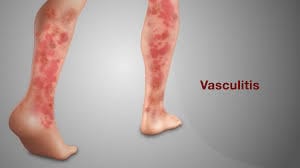
- Skin: rashes, purpura (purple spots), ulcers or bruising.
- Muscle & joint: pain, swelling or weakness.
- Neurological: numbness, tingling or weakness if nerves are affected.
- Kidneys: blood in urine, reduced kidney function.
- Lungs: shortness of breath, coughing or chest pain.
- Heart: chest pain, palpitations.
- Eyes: vision changes, redness or pain.
Symptoms vary depending on the size of blood vessels and the organs involved.

Watch: understanding vasculitis (opens YouTube)
Unexplained fever, rashes or numbness alongside fatigue? See a rheumatologist early — early diagnosis and treatment of vasculitis prevent serious organ damage.
Book AppointmentWhat causes
vasculitis?
- Autoimmune dysfunction: the immune system mistakenly attacks blood vessel walls.
- Genetic predisposition: a family history of autoimmune diseases can increase risk.
- Infections: certain viral or bacterial infections may trigger vasculitis in susceptible individuals.
- Medications: some drugs can provoke immune-mediated inflammation of blood vessels.
- Other autoimmune diseases: conditions like rheumatoid arthritis, lupus or Sjögren’s syndrome can increase the likelihood of vasculitis.
- Environmental triggers: rarely, exposure to chemicals or toxins may contribute to onset.
Vasculitis
at a glance
If untreated, complications can include organ damage, aneurysm, stroke, and kidney or heart failure.
Treatment includes corticosteroids, immunosuppressants and biologics, together with lifestyle care and regular monitoring.
How vasculitis
is diagnosed
Vasculitis is diagnosed by combining a careful clinical assessment with blood tests, imaging and, where needed, a tissue biopsy.
Doctors check for general symptoms (fever, fatigue), skin changes (rashes, bruising), joint or muscle pain, and organ-specific signs.
Blood tests identify inflammation markers (ESR, CRP) and autoantibodies (such as ANCA) to detect autoimmune activity.
Ultrasound, CT, MRI or PET scans are used to visualise the affected blood vessels and map how far the disease extends.
A small tissue sample from skin, kidney or another affected organ can confirm vessel inflammation, while kidney, heart, lung and neurological tests assess the extent of organ involvement.

Watch: more on vasculitis from OARC (opens YouTube)
How vasculitis
is treated
Corticosteroids
Corticosteroids reduce inflammation quickly and help control acute symptoms at the onset of the disease.
Immunosuppressants
Medications such as methotrexate, azathioprine or cyclophosphamide help regulate the immune system and prevent further vessel damage.
Biologic therapies
Biologic drugs target specific immune pathways and are used in severe or refractory cases that do not respond to standard treatment.
Lifestyle care
A balanced diet, avoiding infections, regular exercise and stress management all help support overall health during treatment.
Regular monitoring
Ongoing follow-ups assess organ function, detect flares early and allow treatment to be adjusted as needed. Review visits with the OARC rheumatology team run Monday to Saturday, 9:00 AM–2:00 PM and 4:30–9:00 PM. Call +91 93386 53086 or book online.
How OARC Can Help?
At OARC, we offer holistic care to patients suffering from all kinds of arthritis and autoimmune diseases by our renowned rheumatologists. Because of the chronic nature of the disease, we spend time with the patient helping them to know about their disease, and demystify the myths regarding the disease and treatment. We have collaboration with an NABL accredited laboratory where all kinds of blood tests can be done at reasonable costs. We also have a patient support system which patients can approach in case of any emergency. We believe in a friendly relation with patients so that they can share all their sufferings and get the best possible treatment.
- Best doctors to treat
- State-of-the-art clinic
- All facilities available under one roof
- NABL accredited laboratory
- Same-day test results
- Convenient location
What happens if vasculitis
is left untreated?
If vasculitis is left untreated, the ongoing inflammation of blood vessels can lead to serious and potentially life-threatening complications. Reduced blood flow may damage vital organs such as the kidneys, heart, lungs and brain, resulting in kidney failure, heart attack, stroke or aneurysms. Chronic inflammation can also cause persistent fatigue, muscle and joint pain, skin ulcers and neurological problems. Early diagnosis and proper treatment are essential to control inflammation, protect organs and prevent permanent damage or disability.
Questions to ask your doctor
- Which type of vasculitis do I have, and which blood vessels are affected?
- Which medicines will I need, and how quickly do they work?
- How often will my organ function and blood tests be monitored?
- What side effects should I watch for, and when should I call the clinic?
- What can I do through diet, exercise and lifestyle to support my treatment?
Frequently Asked Questions
vasculitis care in Odisha
Meet the rheumatologist
behind your care

Dr. Jyoti Ranjan Parida
Founder & Lead Rheumatologist at OARC. Dr. Parida pioneered specialist rheumatology care in Odisha since 2014 and leads the OARC rheumatology team — with fellow rheumatologist Dr. Debashis Maikap — at our Bhubaneswar centre. Consultations run Monday to Saturday, 9:00 AM–2:00 PM and 4:30–9:00 PM.