Early Warning Signs of Lupus You Shouldn’t Ignore
Lupus (systemic lupus erythematosus, or SLE) is sometimes called “the great imitator” because its early symptoms — fatigue, joint pain, occasional fever — overlap with so many other conditions that it is often misdiagnosed or dismissed for months or years before the real cause is found. It is also far more common in women, particularly women of childbearing age, which is why unexplained fatigue and joint pain in a young woman deserves more than a quick “you’re just stressed” or “you’re just tired.”
What Lupus Actually Is
Lupus is an autoimmune disease in which the immune system, which normally protects the body from infection, mistakenly attacks healthy tissue instead. Unlike rheumatoid arthritis, which primarily targets joints, lupus can affect the skin, joints, kidneys, blood cells, heart, lungs, and brain — which is why its symptoms can look so different from one patient to another, and why it is genuinely difficult to diagnose from a single symptom alone.
Early Warning Signs Worth Paying Attention To
No single symptom confirms lupus, but a combination of several of the following — especially in a young woman — is a strong enough pattern to warrant a rheumatology evaluation:
- Persistent, unexplained fatigue that is not proportional to activity or sleep, and does not improve with rest.
- Joint pain and swelling, often in the hands, wrists, and knees, frequently affecting joints on both sides of the body.
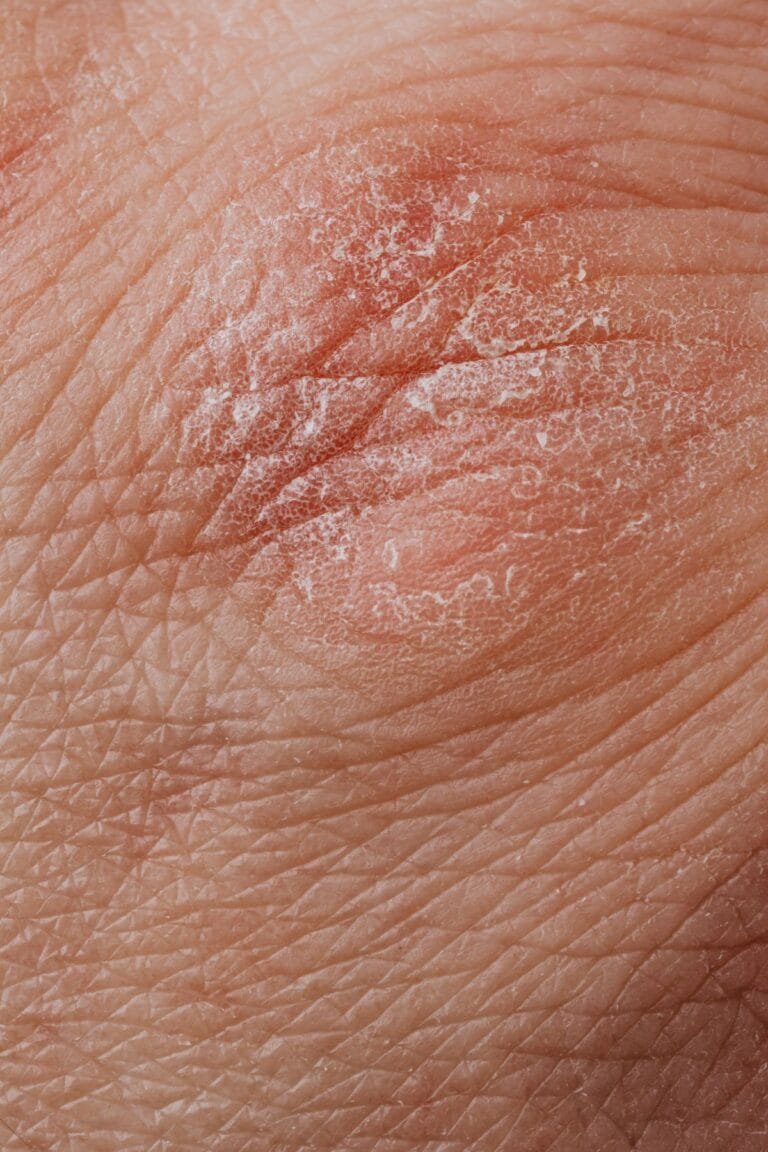
- The “butterfly rash” — a red or purplish rash across the cheeks and bridge of the nose, often triggered or worsened by sun exposure. Not every lupus patient gets this rash, but when present it is a fairly distinctive sign.
- Sun sensitivity — skin reactions (rash, redness) after sun exposure that are more severe than typical sunburn.
- Unexplained low-grade fevers with no infection found.
- Mouth or nose ulcers that are usually painless, which patients often don’t think to mention to a doctor.
- Hair thinning or hair loss, sometimes in patches, not explained by other causes.
- Raynaud’s phenomenon — fingers turning white or blue in cold weather or stress, due to blood vessel spasm.
- Chest pain when breathing deeply, from inflammation around the lungs or heart (pleurisy or pericarditis).
- Swelling in the legs or ankles, which can signal kidney involvement — one of the more serious complications of lupus if not caught early.
Most people with lupus do not have all of these at once, and early lupus can present with just one or two mild symptoms that build gradually over months or years. That slow, inconsistent onset is exactly why it gets missed — each symptom on its own can plausibly be explained by something else.
How Lupus Is Diagnosed
There is no single test that diagnoses lupus on its own. Diagnosis combines the pattern of symptoms with blood tests, most notably the ANA (antinuclear antibody) test, which is positive in the large majority of lupus patients — though a positive ANA alone does not mean lupus, since it can be positive in other conditions and even in some healthy people. More specific antibody tests (anti-dsDNA, anti-Sm), complement levels, and urine tests to check kidney function help build a fuller picture. This is exactly the kind of diagnosis that benefits from a rheumatologist’s experience — interpreting a combination of imperfect tests alongside the clinical picture, rather than expecting one definitive result.
Why Early Diagnosis Matters So Much With Lupus
Lupus can involve major organs, particularly the kidneys (lupus nephritis), and organ involvement can progress silently — meaningful kidney damage can occur before a patient notices any symptoms specific to the kidneys themselves. This is different from, say, osteoarthritis, where delayed treatment mainly means more pain and stiffness. With lupus, delayed diagnosis can mean delayed detection of organ involvement that is far easier to treat early than after damage has set in. Regular monitoring — blood tests, urine tests, blood pressure checks — is a standard and important part of lupus care precisely because it catches organ involvement before it becomes symptomatic.
The outlook for lupus has improved enormously over the past few decades with modern treatment — most people with lupus today, especially when diagnosed and treated early, live full, active lives. The disease is manageable; the main risk is in it going unrecognized for too long.
When to Ask for a Rheumatology Opinion
If you have persistent fatigue and joint pain together with even one or two of the other signs above — especially a rash, sun sensitivity, or mouth ulcers — it is worth asking specifically for a rheumatology evaluation rather than treating each symptom separately with different doctors. At OARC, Dr. Jyoti Ranjan Parida has published research on lupus and sees it as one of the conditions most improved by early, coordinated specialist care. You can learn more on our lupus condition page, or book a consultation if these symptoms sound familiar.