Rheumatologist vs. Orthopedic Doctor: Which One Do You Need?
Joint pain sends most Indian patients straight to an orthopedic doctor — it is the natural instinct, since orthopedics is the specialty most people associate with bones and joints. And for a large share of joint problems, that instinct is exactly right. But for a meaningful group of patients, the pain in their knees, hands, or back is not a mechanical or structural problem at all — it is the immune system attacking the joints, a category of disease that orthopedic surgery is not built to treat. Knowing which doctor to see first can save months, sometimes years, of the wrong treatment.
What Each Specialist Actually Treats
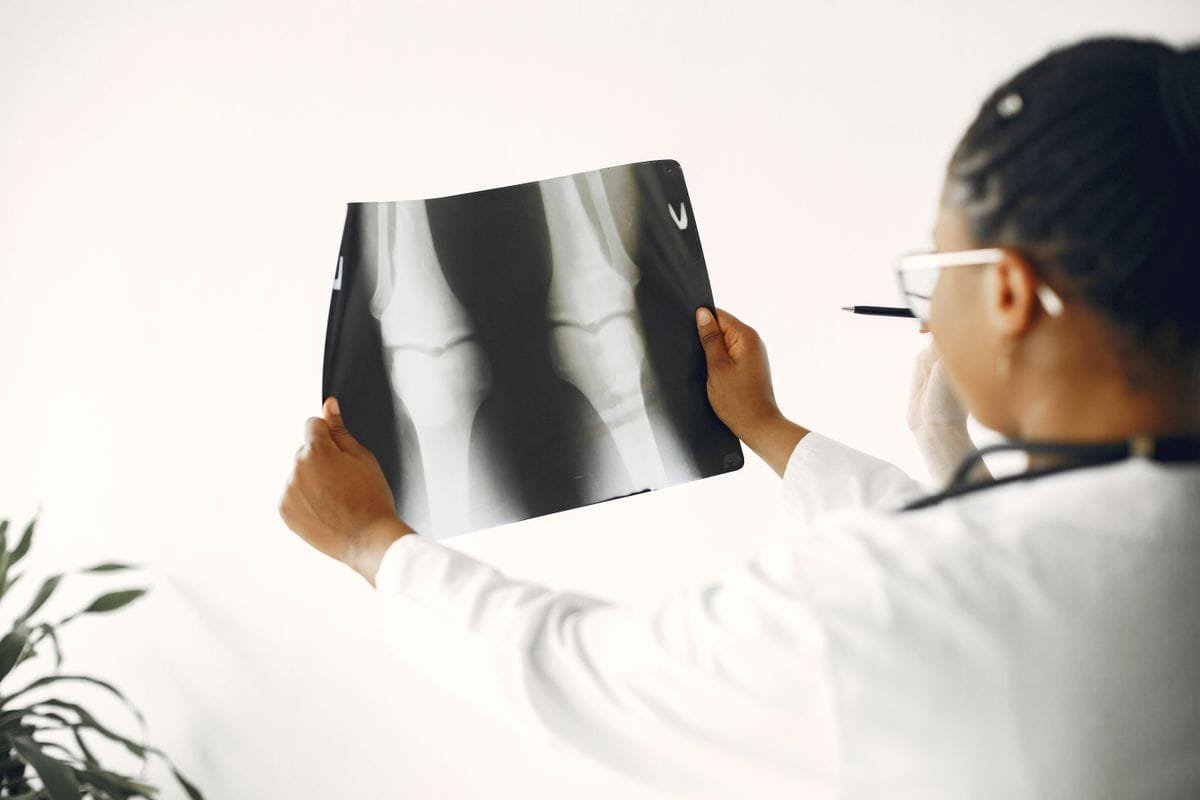
An orthopedic doctor specializes in the mechanical structure of bones, joints, and the surrounding muscles, ligaments, and tendons. Fractures, torn ligaments, worn-out cartilage from age or overuse (mechanical osteoarthritis), joint replacements, and sports injuries are squarely their domain — problems where the joint’s physical structure is damaged or worn down.
A rheumatologist specializes in autoimmune and inflammatory diseases that happen to affect the joints, along with the skin, blood vessels, and internal organs — rheumatoid arthritis, lupus, psoriatic arthritis, gout, ankylosing spondylitis, Sjögren’s syndrome, vasculitis, and dozens of related conditions. In these diseases, the joint itself is not “worn out” — it is actively being attacked by the body’s own immune system, and the treatment is aimed at controlling that immune response, not repairing physical wear.
The overlap is real — both specialties see patients with joint pain — but the underlying cause, and therefore the correct treatment, is often completely different.
Signs That Point Toward a Rheumatologist
These patterns suggest an inflammatory or autoimmune cause rather than a mechanical one, and are worth raising specifically with a rheumatologist:
- Morning stiffness lasting more than an hour — mechanical joint pain (like typical osteoarthritis) tends to be worse with activity and improves with rest; inflammatory arthritis is often the opposite, worse after rest and improving with movement.
- Multiple joints affected symmetrically — both wrists, both knees, both sets of knuckles — rather than a single joint from an injury or localized wear.
- Swelling and warmth, not just pain — visible joint swelling with redness or warmth suggests active inflammation.
- Fatigue, low-grade fever, or unexplained weight loss alongside joint symptoms — systemic symptoms that a purely mechanical joint problem would not cause.
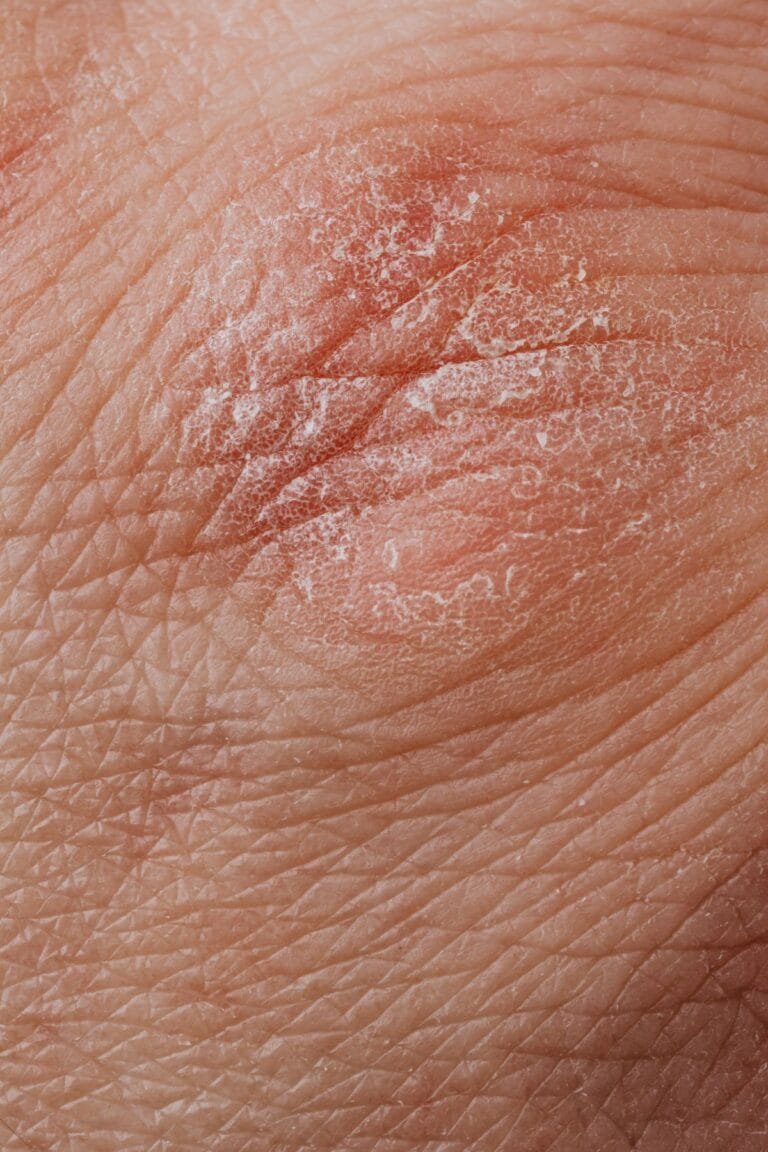
- Skin rashes, dry eyes/mouth, or Raynaud’s-type color changes in fingers alongside joint pain — signs the immune system may be involved more broadly.
- A family history of autoimmune disease — rheumatoid arthritis, lupus, psoriasis, or thyroid disease in close relatives.
- Pain that keeps returning despite physiotherapy and painkillers — if standard orthopedic treatment for joint pain (rest, physiotherapy, anti-inflammatories) provides only temporary relief and the problem keeps coming back, that pattern itself is worth a rheumatology opinion.
Signs That Point Toward Orthopedics
Conversely, these situations usually belong with an orthopedic specialist:
- Pain following a specific injury, fall, or accident
- Pain isolated to one joint with a clear mechanical trigger (a specific movement, sport, or repetitive strain)
- Advanced joint wear where imaging shows significant cartilage loss and joint replacement is being considered
- Pain that is clearly worse with use and better with rest, without any swelling, systemic symptoms, or multi-joint pattern
Why Getting This Right the First Time Matters
Autoimmune joint diseases are progressive if left untreated — the immune system continues to damage joint tissue even when pain is being managed with painkillers, because painkillers address the symptom, not the underlying immune process. A patient with early rheumatoid arthritis who spends a year cycling through physiotherapy and pain medication before reaching a rheumatologist may already have joint damage that earlier treatment with DMARDs or biologics could have prevented. This is one of the most common and most avoidable delays in Indian healthcare for autoimmune conditions — not because doctors are wrong to start with orthopedics, but because the referral to rheumatology often happens too late, after mechanical explanations have been ruled out one by one.
It is also worth knowing that in Odisha, dedicated rheumatology care is still relatively new and concentrated in very few centers — many patients default to orthopedics or general medicine simply because that is what is available locally, not because it is the better fit for an autoimmune condition.
When in Doubt, Start With the Pattern, Not the Body Part
If your joint pain fits the inflammatory pattern above — multiple joints, morning stiffness, swelling, or symptoms that keep returning despite standard treatment — it is reasonable to see a rheumatologist directly rather than going through orthopedics first. At OARC, Odisha’s first dedicated rheumatology clinic, Dr. Jyoti Ranjan Parida and the team see this exact diagnostic crossroads every week, and can tell fairly quickly whether a case is mechanical, inflammatory, or genuinely needs both specialties working together. If you are unsure which doctor you need, book a consultation — an accurate diagnosis is the first and most important step, whichever specialty it points to.