
Scleroderma diagnosis & treatment in Bhubaneswar
Scleroderma is a rare autoimmune connective tissue disease in which the body produces too much collagen, causing hardening and tightening of the skin, and sometimes affecting internal organs.
What is scleroderma?
an autoimmune connective tissue disease
Scleroderma is a rare autoimmune connective tissue disease. It causes the body to produce too much collagen, leading to hardening and tightening of the skin.
- In some cases it also affects internal organs such as the lungs, kidneys, heart and digestive system.
- There are two main types — localized scleroderma, which affects only the skin, and systemic sclerosis, which affects both skin and internal organs.
- Common symptoms include thick, shiny skin, Raynaud’s phenomenon (fingers turning white or blue in cold), joint stiffness, heartburn and breathing difficulties.
- It is more common in women aged 30–50 years.
- No cure exists, but early treatment with medicines, physiotherapy and lifestyle measures helps control symptoms and prevent complications.

Signs & symptoms
what scleroderma feels like
- Skin changes: hard, thickened, shiny or tight skin (often starting in the fingers, hands or face); swelling and stiffness of the fingers (sclerodactyly); skin patches that appear lighter or darker than normal.
- Raynaud’s phenomenon: fingers or toes turn white, blue or red in response to cold or stress, with tingling, numbness or pain in the affected areas.
- Joint and muscle problems: joint stiffness, swelling or pain, and muscle weakness or aching.
- Digestive system issues: heartburn, acid reflux or difficulty swallowing; bloating, constipation, diarrhoea or poor absorption of nutrients.
- Lung involvement: shortness of breath, dry cough and a risk of pulmonary fibrosis (scarring) or pulmonary hypertension.
- Kidney problems: high blood pressure and, rarely, a serious condition called scleroderma renal crisis.
- Heart symptoms: irregular heartbeat (arrhythmia), and chest pain or heart failure in advanced cases.
Watch: understanding scleroderma from OARC (opens YouTube)
Fingers turning white or blue in the cold, or skin that feels tight and hard? See a rheumatologist early — timely treatment helps control symptoms and prevent organ complications.
Book AppointmentWhat causes
scleroderma?
The exact cause is unknown, but it involves an abnormal immune response together with genetic and environmental factors.
- Immune system dysfunction — the immune system mistakenly attacks the body’s tissues, leading to excess collagen production.
- Excess collagen buildup — overproduction and accumulation of collagen causes skin thickening and organ fibrosis.
- Genetic predisposition — a family history of autoimmune diseases increases the risk.
- Environmental triggers — exposure to certain chemicals (silica dust, solvents, pesticides) may trigger the disease in susceptible individuals.
- Vascular problems — abnormal narrowing and damage of small blood vessels contribute to tissue injury.
- Gender and age — more common in women between 30 and 50 years.
- Autoimmune association — often linked with other autoimmune conditions such as lupus, rheumatoid arthritis or Sjögren’s syndrome.
Scleroderma
at a glance
Scleroderma means “hard skin” — caused by excess collagen in the body. Raynaud’s phenomenon, where the fingers or toes turn white or blue in the cold, is often the first sign.
No cure exists, but early treatment helps control symptoms and prevent complications. Rheumatologists are the specialists trained to manage this disease.
How scleroderma
is diagnosed
Diagnosis combines a careful clinical assessment with blood tests and, where needed, imaging and specialised tests.
The doctor checks for symptoms such as skin thickening, Raynaud’s phenomenon, joint stiffness or digestive problems, and takes a complete symptom history.
Blood tests detect specific autoantibodies such as ANA (antinuclear antibody), anti-centromere and anti-Scl-70, which are commonly seen in scleroderma.
A small sample of skin may be examined under a microscope to confirm the excess collagen buildup that characterises the disease.
Chest X-rays, CT scans or echocardiography may be used to check for lung and heart involvement.
These measure how well the lungs are working, and are ordered if breathing difficulties are suspected.
A special test to look at the tiny blood vessels near the fingernails, which are often abnormal in scleroderma.

Watch: more on scleroderma from OARC (opens YouTube)
How scleroderma
is treated
No permanent cure exists, but treatments help manage symptoms, prevent complications and improve quality of life.
Medications
- Immunosuppressants to reduce immune system overactivity.
- Anti-inflammatory drugs for joint and muscle pain.
- Vasodilators and calcium channel blockers to improve blood flow in Raynaud’s phenomenon.
- Proton pump inhibitors for acid reflux and heartburn.
Physical therapy & exercise
Keeps the joints flexible, improves circulation and reduces stiffness.
Skin & lung care
Moisturisers for the skin, and specific treatments for lung fibrosis or pulmonary hypertension if present.
Lifestyle changes
Avoid smoking, protect the hands and feet from cold, eat a balanced diet and manage stress.
Regular monitoring
Early detection of organ involvement (lungs, heart, kidneys) through periodic tests is crucial. Review visits with the OARC rheumatology team run Monday to Saturday, 9:00 AM–2:00 PM and 4:30–9:00 PM. Call +91 93386 53086 or book online.
How OARC Can Help?
At OARC, we offer holistic care to patients suffering from all kinds of arthritis and autoimmune diseases by our renowned rheumatologists. Because of the chronic nature of the disease, we spend time with the patient helping them to know about their disease, and demystify the myths regarding the disease and treatment. We have collaboration with an NABL accredited laboratory where all kinds of blood tests can be done at reasonable costs. We also have a patient support system which patients can approach in case of any emergency. We believe in a friendly relation with patients so that they can share all their sufferings and get the best possible treatment.
- Best doctors to treat
- State-of-the-art clinic
- All facilities available under one roof
- NABL accredited laboratory
- Same-day test results
- Convenient location
What happens if scleroderma
is left untreated?
If scleroderma is left untreated, the disease can progress and cause serious complications beyond skin changes. Over time, excessive collagen buildup may lead to permanent skin tightening, joint stiffness and reduced mobility. Internal organs such as the lungs, kidneys, heart and digestive system can also be affected, resulting in pulmonary fibrosis, high blood pressure, heart problems or severe digestive issues. Untreated scleroderma also increases the risk of organ failure and significantly impacts quality of life. Early diagnosis and treatment are crucial to control symptoms, prevent organ damage and maintain daily functioning.
Questions to ask your doctor
- Do I have localized scleroderma or systemic sclerosis, and what does that mean for me?
- Which of my organs need monitoring, and how often will they be checked?
- What can I do to protect my hands and feet from Raynaud’s phenomenon?
- Which medicines are right for my symptoms, and what side effects should I watch for?
- What lifestyle changes will help me stay active and prevent complications?
Frequently Asked Questions
scleroderma care in Odisha
Meet the rheumatologist
behind your care
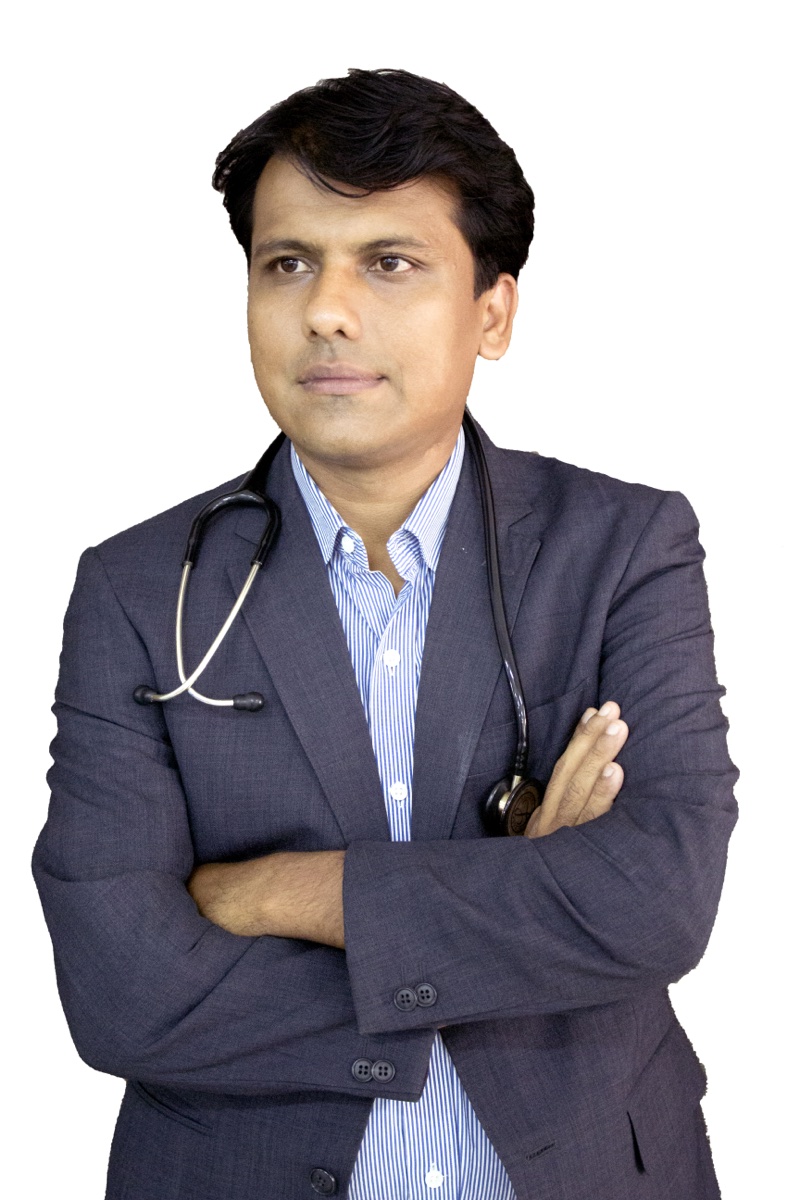
Dr. Jyoti Ranjan Parida
Founder & Lead Rheumatologist at OARC. Dr. Parida pioneered specialist rheumatology care in Odisha since 2014 and leads the OARC rheumatology team — with fellow rheumatologist Dr. Debashis Maikap — at our Bhubaneswar centre. Consultations run Monday to Saturday, 9:00 AM–2:00 PM and 4:30–9:00 PM.